

Spot Gold Tops $4,360 as 1-Hour Moving Averages Form Bullish Alignment
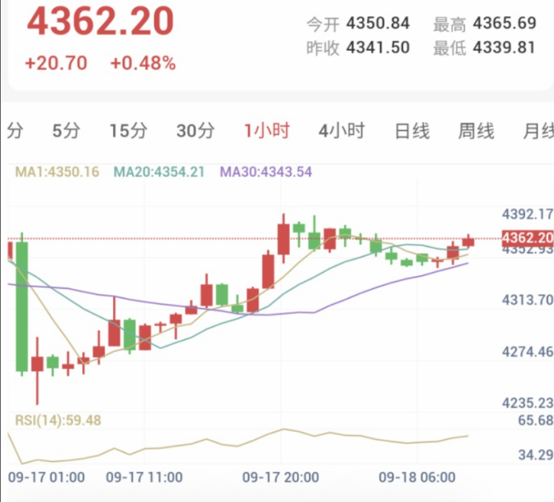
On September 17, spot gold settled at $4,341.62 per ounce, gaining 1.8% to reclaim ground above its 100-day moving average, while US gold futures for December delivery settled 0.3% higher at $4,399.70. During the Asian session on September 18, spot gold extended its upward momentum to clear the $4,360 barrier.
As of 10:18, spot gold traded at $4,362.20/oz, up $20.70 or 0.48% intraday, after touching a session peak of $4,365.69 against a low of $4,339.81. On the 1-hour timeframe, MA1 printed at 4,350.16, MA20 at 4,354.21, and MA30 at 4,343.54, while the 14-period RSI rose to 59.48.
Benchmark Energy Contracts Ease as Dollar Index and Treasury Yields Decline
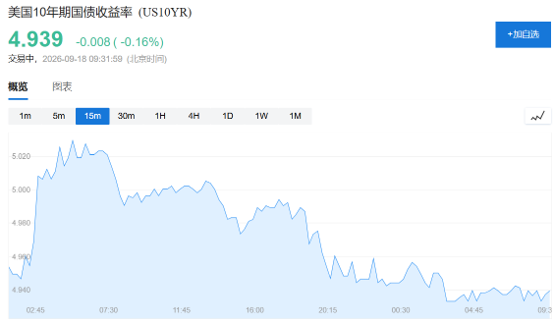
Spot primary energy and front-month benchmark contracts retreated for a second consecutive trading session, touching one-week lows. Market reports indicate Saudi Arabia plans to deliver additional physical energy cargoes via Oman, mitigating supply disruption concerns. Simultaneously, the US Dollar Index pulled back from a seven-week peak to hover near 100.02. The benchmark US 10-year Treasury yield dropped 7 basis points in tandem to 4.939%, logging its steepest single-day decline in over three weeks.
Federal Reserve Hikes by 25 bps as BoE and BoJ Policies Diverge
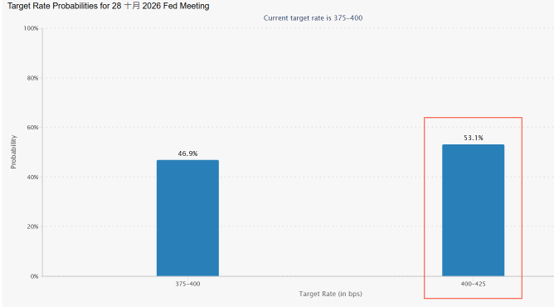
At its September 16 meeting, the Federal Reserve unanimously approved a 25 basis point rate increase, noting in post-meeting communications that additional policy tightening remains on the table in the months ahead. CME FedWatch data indicated that traders increased the implied probability of another rate hike in October from 44% a day earlier to 53.1%. Across other major central banks, the Bank of England held interest rates steady on September 17 while highlighting persistent inflation risks, whereas the Bank of Japan is anticipated on September 18 to lift interest rates to a 31-year high.
Strait of Hormuz Throughput Declines as Regional Tensions Persist

Senior Iranian officials outlined stipulations regarding passage through the Strait of Hormuz. Vessel tracking data showed that only three commercial ships transited the strait on Wednesday, reflecting a substantial decline in throughput volume. In surrounding regions, International Organization for Migration figures revealed that military conflict in Yemen has displaced more than 100,000 individuals. Additionally, facilities at Muwaffaq Salti Air Base in Jordan sustained damage impacting multiple US military aircraft.
Official Reserves Accumulate Bullion: PBoC Buys for 22nd Consecutive Month
Official data from the People's Bank of China shows gold reserves reached 76.73 million ounces (approximately 2,386.57 metric tons) at the end of August 2026, rising by 650,000 ounces (approx. 20.22 tons) month-over-month. This marks the central bank's 22nd straight month of purchases, with the single-month addition reaching its highest level since October 2023. Since March 2026, monthly acquisitions expanded incrementally from 160,000 ounces to 650,000 ounces in August. The Bank of Korea also recently announced an increase in official bullion reserves, marking its first physical purchase since 2013. A World Gold Council survey conducted in June found that nearly 90% of surveyed central banks anticipate global official gold reserves will continue to rise over the next 12 months.
Intraday Focus on US Industrial Output and Central Bank Commentary
Market focus intraday centers on US industrial production data for August alongside scheduled remarks from Federal Reserve policymakers. Over medium-to-long horizons, fiscal deficit trajectories, sovereign reserve allocation demand, and monetary policy stances remain the paramount drivers governing bullion's path.