

I. Introduction: A Dangerous Intertwining of Surging Oil Prices and Weak Employment
On Friday, April 3, 2026, the US Department of Labor will release the March non-farm payrolls report. This data arrives just as the war in the Middle East has been raging for a full month. The military conflict triggered by joint US-Israeli strikes on Iran has sent oil prices skyrocketing by over 70% to more than $100 per barrel, while the average US gasoline price is closing in on $4 per gallon, causing inflationary pressures to spike suddenly.
At a time when the market is being squeezed by the triple whammy of war, inflation, and weak employment, the March NFP report will provide critical insights into economic fundamentals. What makes it unique is that it serves as the first employment report since the Federal Reserve became trapped in a stagflation dilemma. On one hand, February non-farm payrolls unexpectedly plunged by 92,000 jobs, sending a clear signal that the labor market is cooling. On the other hand, the oil price shock is rapidly feeding into inflation, virtually erasing any room for further rate cuts.
II. Preview of Core Employment Indicators: Can the Rebound Last?
1. Market Expectations Overview
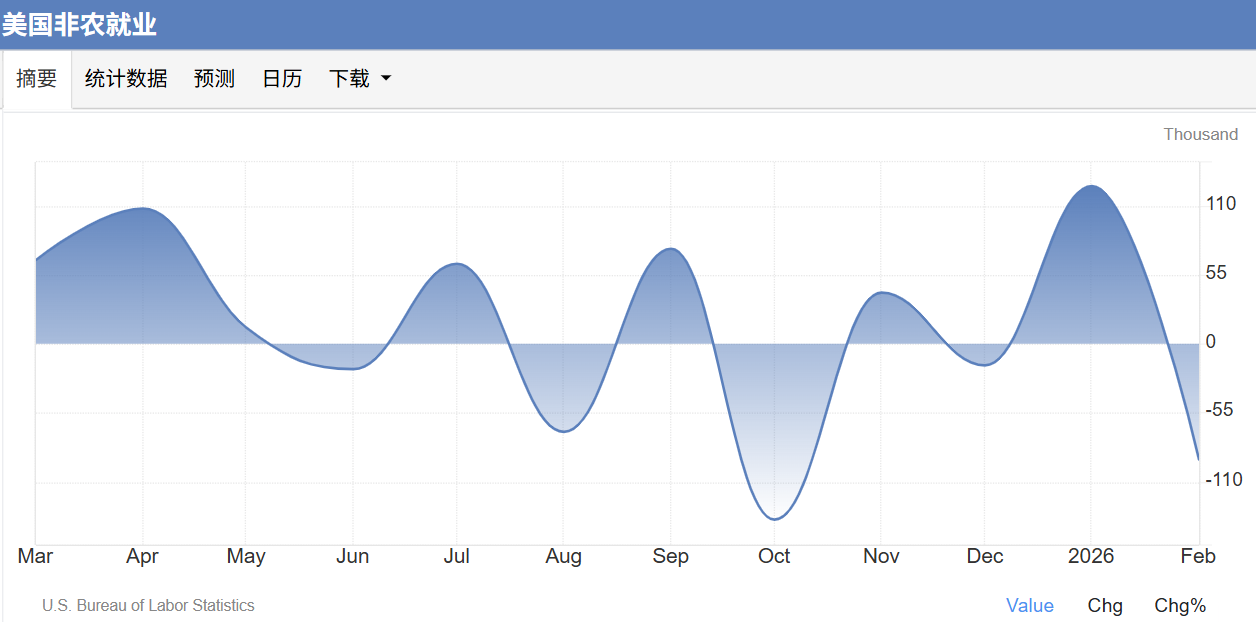
- Non-Farm Payrolls: The market expects an increase of 55,000 jobs, following February's previous reading of minus 92,000, which was the largest drop in four months.
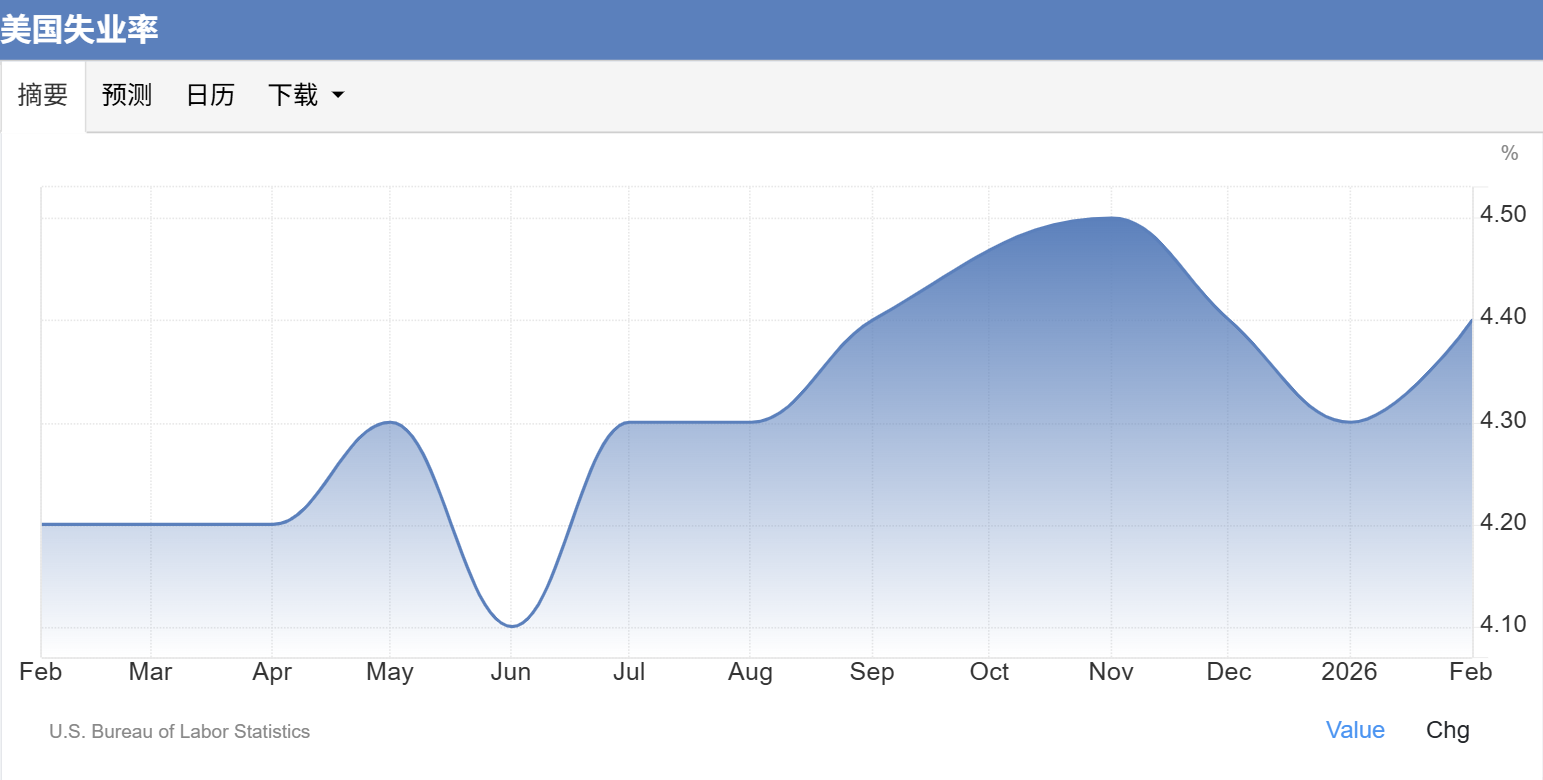
- Unemployment Rate: Projected to hold steady at 4.4% (matching the previous month's 4.4%). However, the Chicago Fed model forecasts the March unemployment rate at around 4.46%, which could round up to 4.5%.
- Wage Growth: The market projects average hourly earnings to grow 0.3% month-over-month, though close attention should be paid to whether the oil price shock is already showing up in wage negotiations.
2. Signals from Leading Indicators
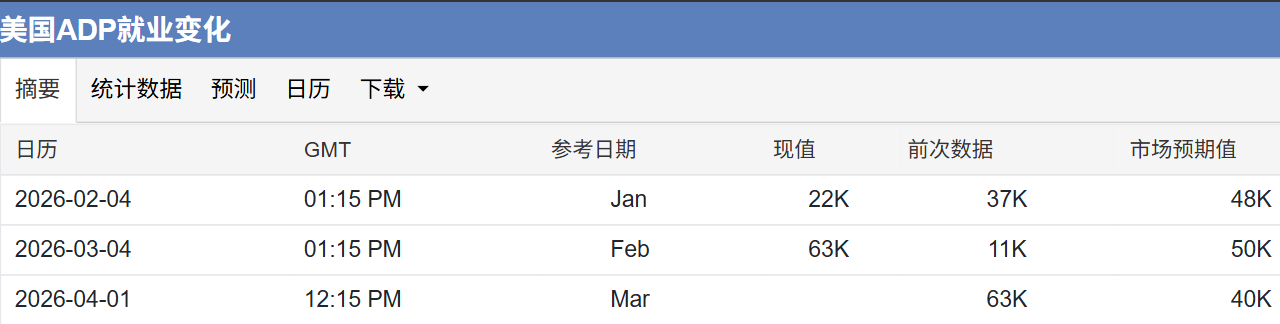
- ADP Employment (April 1): Expected to add 40,000 to 50,000 jobs, serving as an early guide for Friday's NFP report.
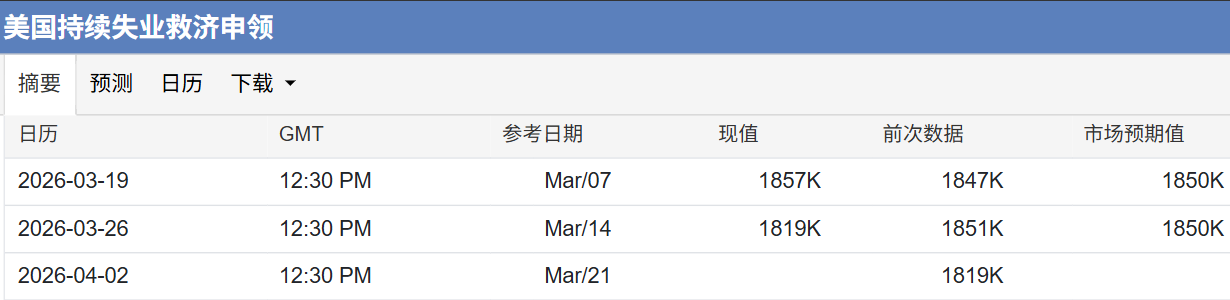
- Jobless Claims (Week Ending March 21): Initial claims held steady at 210,000, while continuing claims fell to 1.819 million (the lowest since May 2024). However, economists warn that the drop in continuing claims is partly due to unemployed workers exhausting their benefits (most states limit benefits to 26 weeks) rather than a genuine improvement in the job market.
III. Core Points of Contention
1. Distortion in the February Data
Was the sharp 92,000 drop in February non-farm payrolls driven by one-off factors like severe weather or the aftereffects of the government shutdown? If March shows a strong rebound, February may be dismissed as an outlier; if the rebound is weak, recession signals will be further reinforced.
2. The Effect of Ending Union Strikes
Bloomberg Economics believes that striking union members returning to work could add tens of thousands of jobs to the March figure. However, this would represent a temporary bump rather than a trend-based improvement.
IV. Institutional Forecasts
1. Institutional Perspectives
- Goldman Sachs: Expects the oil price shock to push the unemployment rate up by an additional 0.1 percentage point and cut a net average of about 10,000 non-farm jobs per month through the end of the year.
- Pantheon Macroeconomics (Oliver Allen): Notes that the link between initial claims and the unemployment rate is weak, as only about a quarter of unemployed individuals qualify for benefits. He forecasts that the March unemployment rate could tick slightly higher.
- High Frequency Economics (Carl Weinberg): "Companies need time to understand what the shock means for the economy before they have the confidence to start laying off workers. The recession hasn't started yet, but it is bound to happen."
V. Other Key Events of the Week
1. Dense Schedule of US Data Releases
- March ADP Employment (April 1): Expected to add 40,000 to 50,000 jobs.
- February Retail Sales (April 2): Expected to slide month-over-month as high oil prices squeeze consumer budgets.
- ISM Manufacturing PMI (April 1): Expected to hover around 49, remaining in contraction territory.
- ISM Services PMI (April 3): Expected to pull back slightly from 52.5.
- February Durable Goods Orders (April 2): Reflecting corporate investment appetite.
2. Federal Reserve Official Commentaries
- John Williams (March 31, permanent FOMC voting member): Highly likely to reiterate a data-dependent stance.
- Austan Goolsbee (April 2, 2027 voting member): Speaking at a Chicago Fed event. These speeches could offer clues on how the central bank plans to tackle stagflation.
Conclusion
The release of the March 2026 non-farm payrolls report arrives at a time when modern geopolitics and the economic cycle are facing a rare stagflation stress test. February's unexpected negative growth has already sounded the alarm, while the relentless surge in oil prices is eating away at consumers' real purchasing power and presenting the Federal Reserve's monetary policy path with an unprecedented dilemma.
The true significance of this report is not about confirming whether the job market can rebound to 55,000—against the backdrop of war, these figures pale in importance. The real test is whether the market can find a new equilibrium amid the conflicting signals of weak employment and rising inflation, whether the Fed will dare to maintain a tight policy stance on the brink of a recession, and how investors can protect their positions through extreme volatility.