

I. Introduction: The Intersection of Technological Shifts and Policy Wait-and-See
On Friday, March 6, 2026, the US Department of Labor will release the February non-farm payrolls report. The significance of this report stretches far beyond a single month of employment numbers.
It arrives against a complex backdrop marked by artificial intelligence accelerating the disruption of the business landscape, diverging policy paths at the Federal Reserve, and a sudden spike in geopolitical risks—making it a critical "stress test" for the resilience of the US economy.
The market expects February non-farm payroll growth to slow significantly to 60,000, well below the 130,000 jobs added in January. The unemployment rate is projected to hold at 4.3%. However, this forecast itself is highly controversial: Bloomberg Economics has even warned that the actual print could unexpectedly slide to a mere 35,000.
Crucially, this report represents the final piece of the puzzle ahead of the Fed's March policy meeting. Fed Governor Christopher Waller has clearly stated that whether the Fed cuts rates in March will "depend entirely on the February employment data."
Meanwhile, a wave of AI-driven anxiety is spreading across Wall Street. From software stocks and financial services to semiconductors and retail, investors are intensely debating who will fall victim to disruption and who will emerge as winners capable of harnessing the technology. This employment data will provide the first official statistical look at the true impact of this technological revolution on the labor market.
II. Core Employment Indicators Preview: Key Signals Amid Deep Divisions
1. Market Expectations Overview
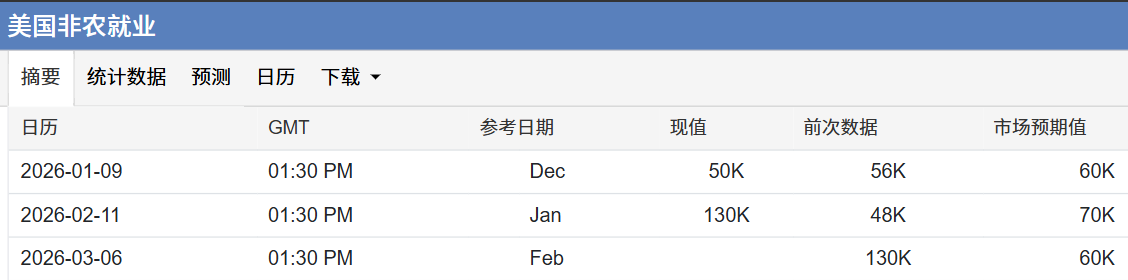
- Non-Farm Payrolls: The market consensus median is +60,000 jobs, but Continuum Economics forecasts a mere +35,000, arguing that January's strength was partly driven by seasonal adjustments and temporary expansions in the healthcare sector.
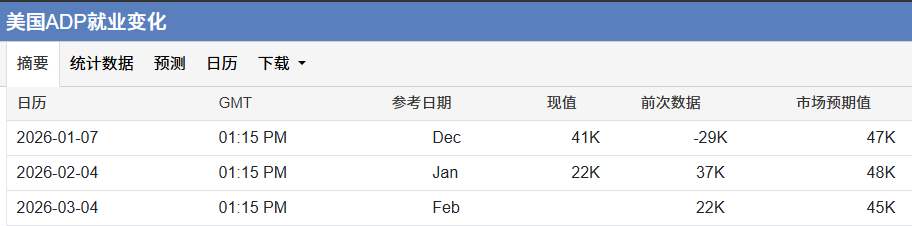
- Private Sector Employment: The leading ADP indicator is expected on Wednesday, with market forecasts pointing to +45,000 (compared to +22,000 in January).
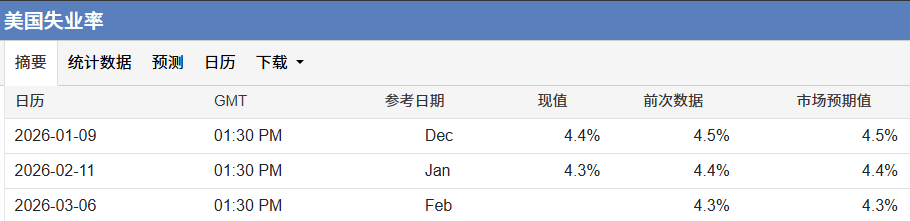
- Unemployment Rate: Projected to hold steady at 4.3%, though some institutions warn it could tick back up to 4.4%.
- Wage Growth: Average hourly earnings are expected to increase by 0.3% month-over-month, aligning with the broader trend.
III. Historical Data Review: The Real Picture Under the Shadow of Revisions
The true state of the 2025 labor market is gradually being brought to light by annual benchmark revisions:
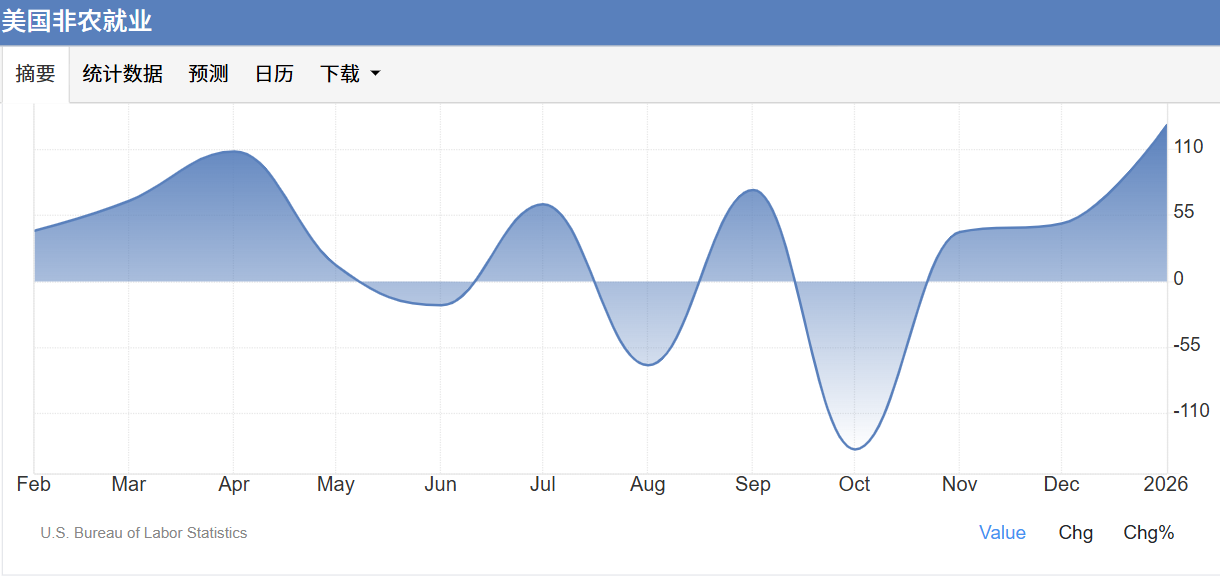
- January Data (Stronger Than Expected): Payrolls grew by 130,000, far exceeding the projected 65,000 and marking the highest level since December 2024. The unemployment rate unexpectedly dropped to 4.3%, and hourly earnings rose 0.4% month-over-month. Healthcare (+82,000), social assistance (+42,000), and construction (+33,000) were the primary drivers.
- Annual Benchmark Revision: The Bureau of Labor Statistics (BLS) drastically downward-revised full-year job growth for 2025 from an initial 584,000 to just 181,000. This means that monthly job growth last year averaged a mere 15,000, far below the previously reported 49,000.
- Out of the past 26 non-farm payroll reports, 25 have ultimately suffered downward revisions.
IV. Institutional Forecasts and Policy Dynamics: A Watershed for the Rate-Cut Path
1. Divergence in Institutional Forecasts
- Continuum Economics: Forecasts a total increase of 35,000, with 50,000 in the private sector, and the unemployment rate rising back to 4.4%.
- Market Consensus: Hovers around 60,000, though Bloomberg Economics warns of a potential downside surprise.
2. Fed Policy Considerations
- Waller’s Data Dependence: Fed Governor Christopher Waller, the lone dissenting vote (who advocated for a rate cut) at the January policy meeting, stated clearly that if February employment data matches January's strength, he will support holding rates steady in March. However, if January's upside is revised away or February data softens, rate cuts should resume. He described his current stance as a "coin flip."
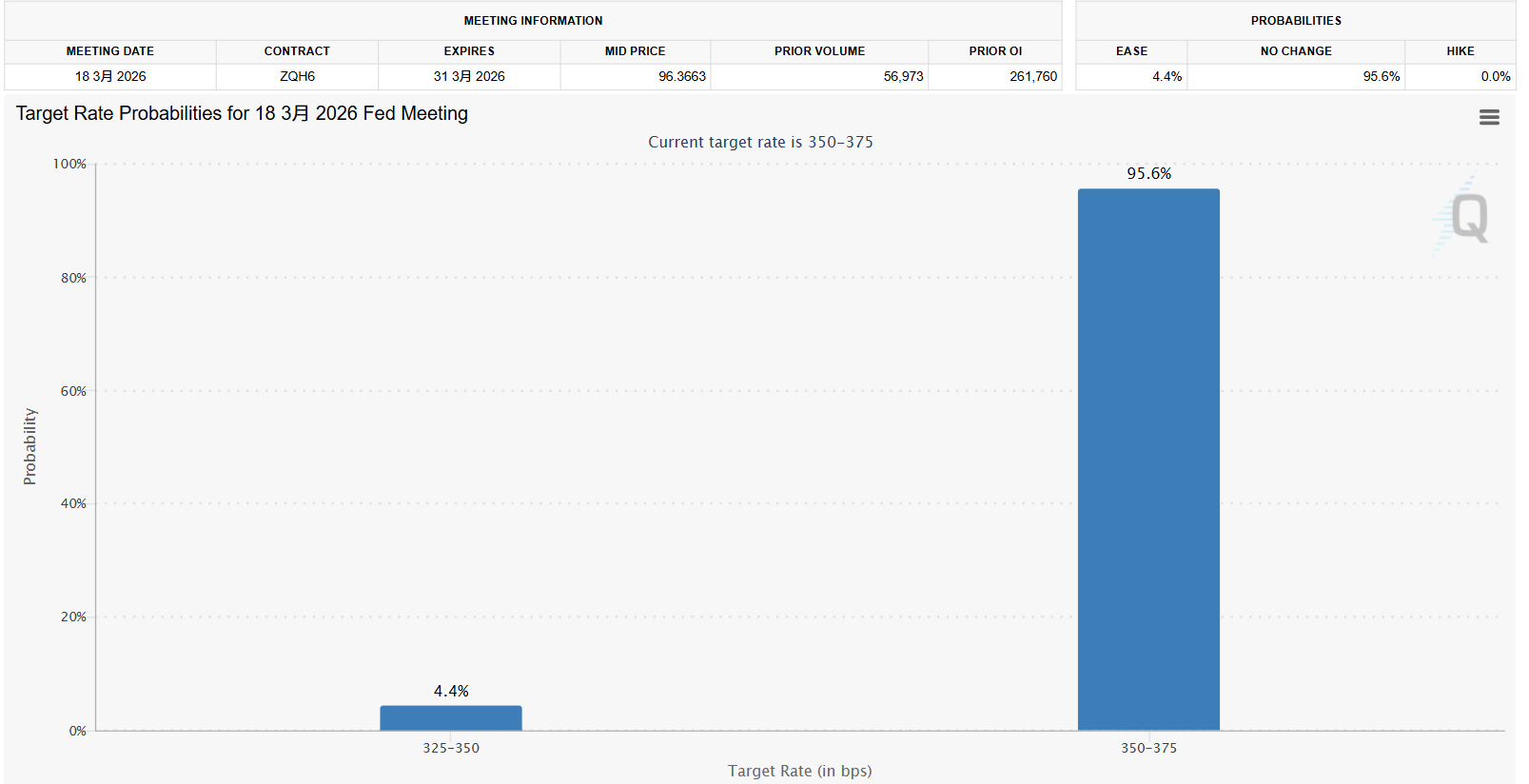
- Market Expectations: Interest rate futures show a 96% probability that the Fed will keep rates unchanged in March, with the timeline for the first rate cut pushed back to June or July.
- Macro Background: January CPI slowed to 2.4% year-over-year, but core inflation remains sticky. The chief economist at Comerica Bank pointed out that the Fed might stay in watch-and-see mode before Powell's term concludes in May.
Conclusion: Aligning Employment Data with AI Anxiety
The unique aspect of the February 2026 NFP report is that it will mark the first time official data aligns with the market narrative. Investors care about more than just how many jobs are added; they want to know which jobs are disappearing.
The wave of layoffs in the tech sector, structural adjustments in professional services, and the transition pains of the retail industry will all be quantified in the breakdown data by sector.
For the Fed, this report will tip the scales for officials like Waller.
For the market, it will provide a fundamental economic anchor amid the wave of AI-driven valuation reshuffling. At this intersection of technological disruption and policy observation, the true meaning of this NFP report lies not in confirming a trend, but in defining the question: are we facing a cyclical slowdown, or a structural reshaping?