

I. NFP Summary: Unexpected Employment Contraction Leaves Labor Market in the Fog Again
The US February non-farm payrolls data unexpectedly recorded negative growth while the unemployment rate ticked back up, completely shattering the market's initial assumption of a "stable" labor market and putting the Federal Reserve's policy path to the test once again.
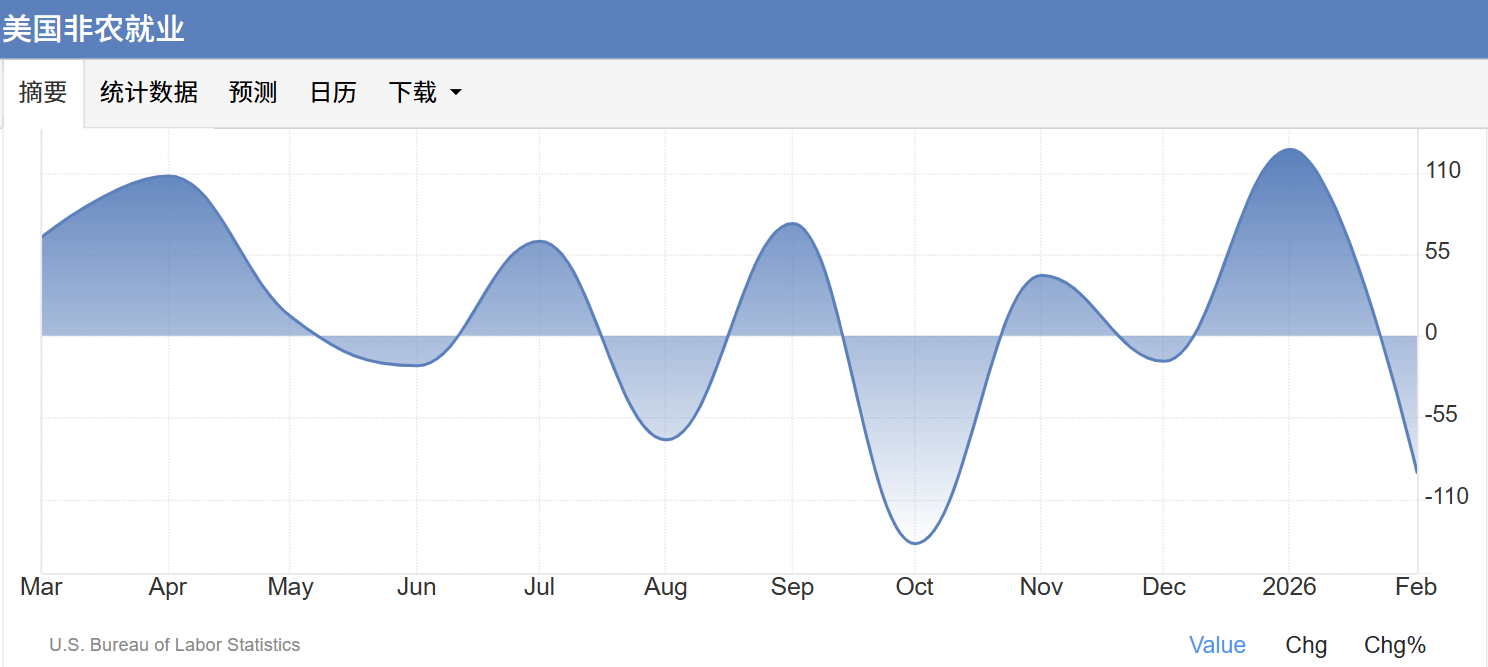
- Job Growth Sharply Missed Expectations: Non-farm payrolls shed 92,000 jobs in February, falling far short of the market expectation of a 59,000 increase. January's figure was also revised down from 130,000 to 126,000, signaling a clear loss of growth momentum.
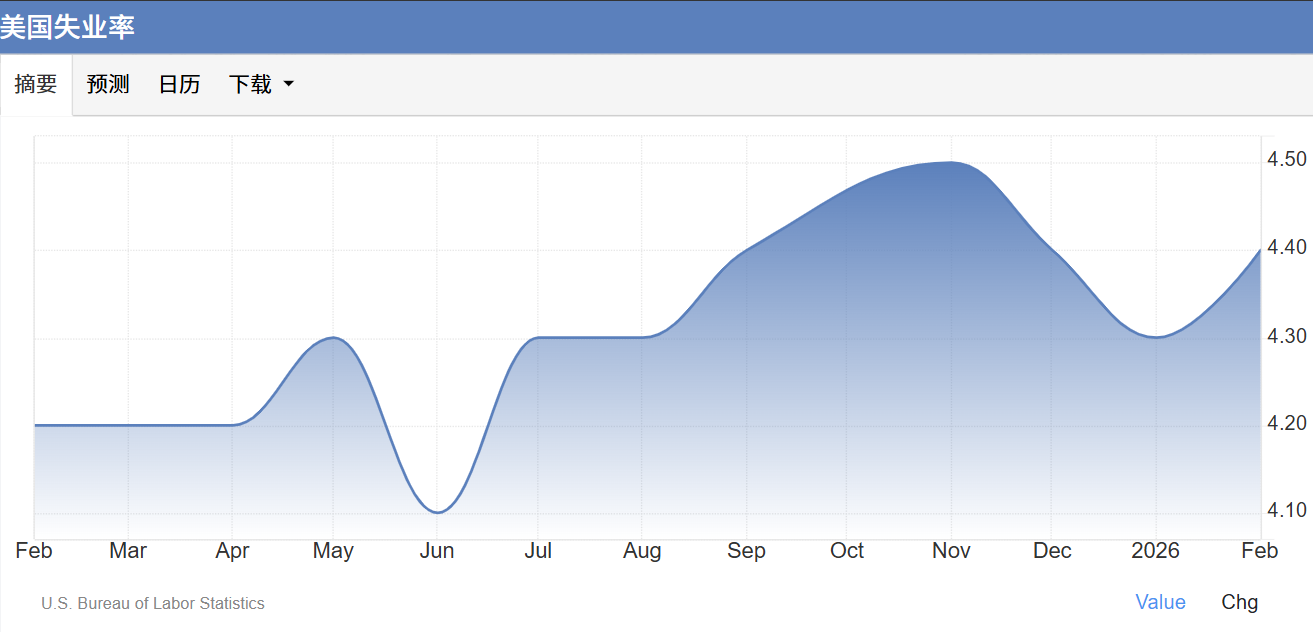
- Unemployment Rate Unexpectedly Rebounded: The unemployment rate rose from 4.3% to 4.4%, while the labor force participation rate dropped to 62.0% (its lowest since December 2021), reflecting a continuous shrinkage in labor supply.
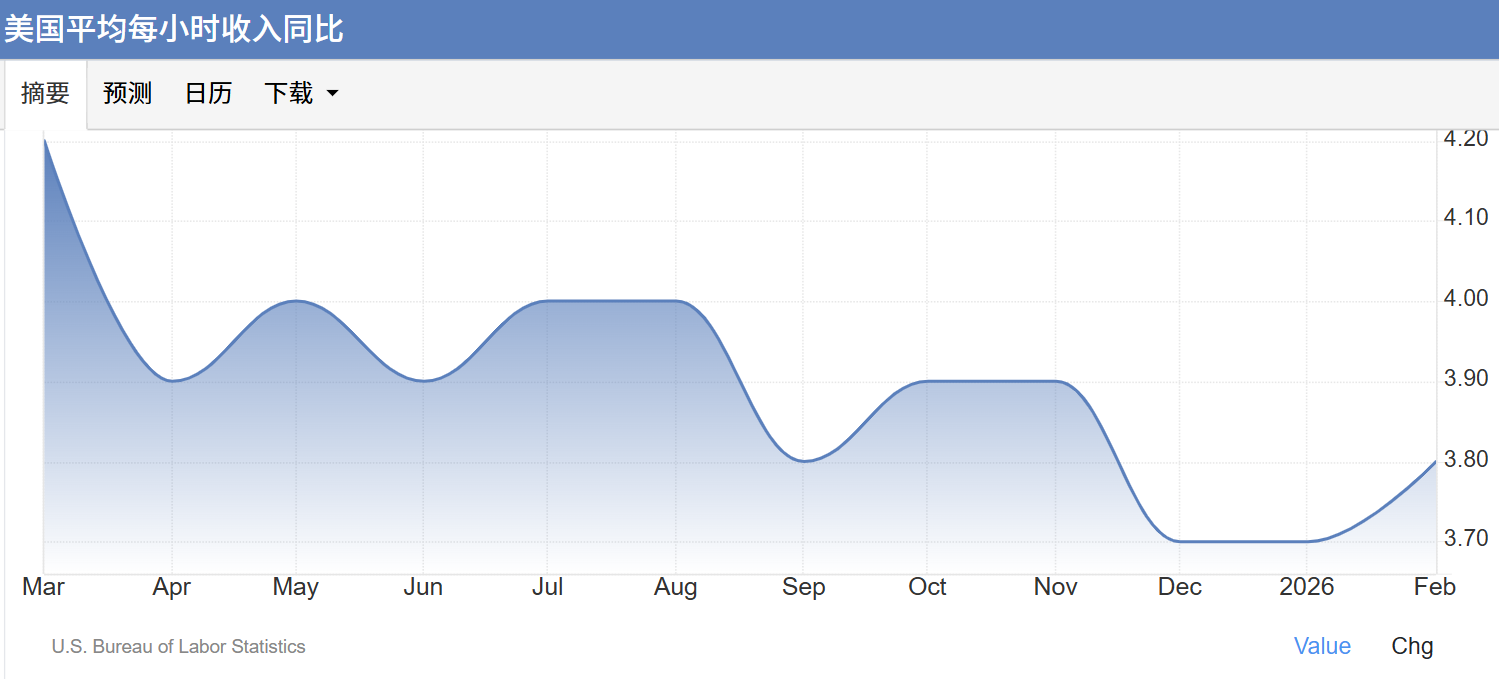
- Wage Growth Remained Sticky: Average hourly earnings rose 0.4% month-over-month, bringing the year-over-year increase to 3.8% (up from the previous 3.7%). Sticky wages paired with shrinking employment have fueled growing fears of stagflation.
II. Special Background: Strikes, Weather, and Statistical Adjustments
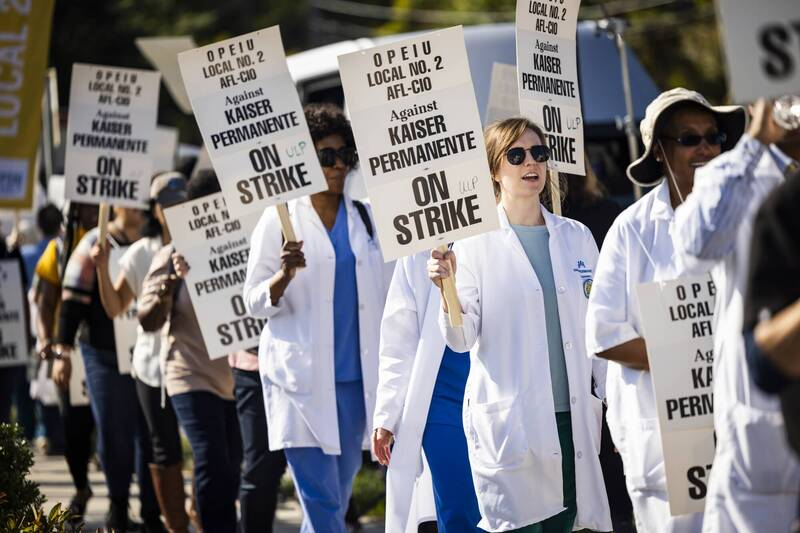
- Massive Healthcare Strikes: Around 31,000 healthcare workers at Kaiser Permanente went on strike (which has since ended). This led to a drop of 37,000 jobs in doctors' offices and dragged overall healthcare payrolls down by 28,000, acting as the main drag on this month's negative job print.
- Winter Storms Hit Multiple Sectors: Construction lost 11,000 jobs, while leisure and hospitality shed 27,000 (mainly restaurants and bars) due to severe freezing weather. However, since changes in weekly hours and weather-related absenteeism were limited, it suggests that underlying fundamental weakness is the deeper issue.
- Birth-Death Model Adjustment Aftershocks: January's employment data was heavily inflated by model adjustments, leading to a "payback" correction in February. Following the model update, future monthly job growth could be reduced by up to 50,000.
III. Historical Trends and Structural Concerns
1. Stagnant Job Growth
- Job Growth Virtually Frozen: Over the three months ending in February, job growth averaged a meager 6,000 per month (down from the 3-month average of 50,000 in January), falling far below pre-pandemic levels. With the revised 2025 full-year monthly average at just 15,000, the labor market is essentially trapped in a "low hiring, low firing" stalemate.
- Broad-Based Contraction Across Industries: The percentage of industries reporting job gains dropped from 54.6% to 50.8%, with only a few sectors like social assistance and financial activities seeing minor increases. Manufacturing recorded negative growth in 12 out of the last 13 months, shedding over 90,000 jobs since Trump returned to the White House.
- Federal Government Keeps Trimming Fat: Federal positions fell by another 10,000 in February, bringing total cuts to 330,000—an 11% drop—since the peak in October 2024.
2. Unresolved Structural Pressures
- Trade Policy Uncertainty: Although Trump's global tariffs were struck down by the Supreme Court, they were quickly replaced by a 10% universal tariff, with plans to hike it to 15%. This continues to choke corporate hiring appetite.
- AI Investment Displacing Human Labor: Companies are prioritizing investments in technology and equipment, structurally suppressing the demand for labor.
- Slowing Immigration Inflows: Decelerating population growth is directly capping labor supply, while the drop in the participation rate is intensifying wage-driven inflationary pressures.
IV. Market and Institutional Reactions
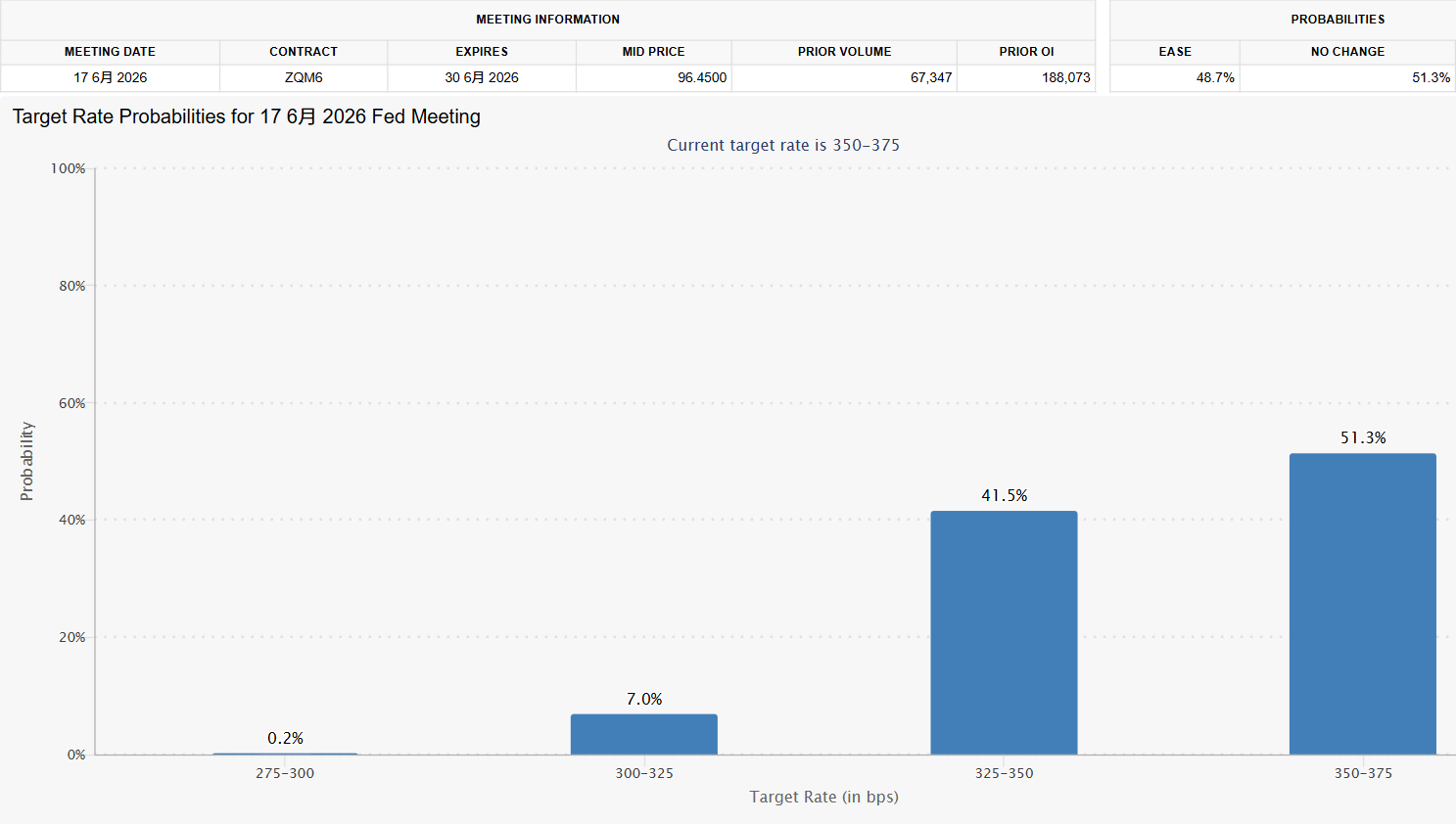
- Rate Cut Expectations Heat Up: Following the data release, the CME FedWatch Tool showed the probability of a June rate cut climbed from a low base to nearly 50%. The market is now pricing in about 44 basis points of cumulative rate cuts for the year, pulling the projected timeline for the first cut forward from October to July.
- Summary of Investment Bank Views:
- Olu Sonola, Fitch Ratings: "This is bad news through and through. Toss in tariff noise, energy prices, and fresh inflationary impulses, and the Fed is left like a deer in the headlights, forced to wait until a sustainable trend emerges in the data before reacting."
- Elyse Ausenbaugh, J.P. Morgan Wealth Management: "This data makes it much harder for the Fed to use the 'stable labor market' narrative to justify pausing their rate-cut cycle."
- Gregory Daco, EY-Parthenon: "The labor supply cushion is thinning out, raising the risk of sticky wage pressures that won't be easily relieved even as demand cools."
Broadly speaking, doves latched onto the weak employment data to push for rate cuts, while hawks highlighted rising wages and inflation risks. Meanwhile, a Middle East oil price "black swan" has intensified the Fed's catch-22 dilemma.
V. Gold Price Movement After This NFP Release
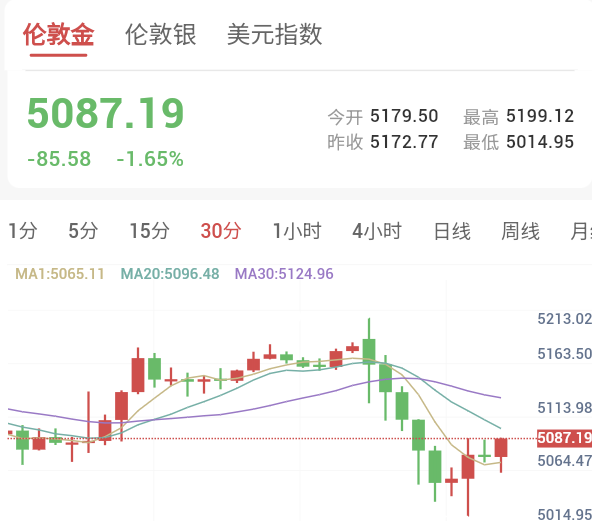
On the day of the NFP release, gold prices staged a sharp 1.77% rally to $5,171, boosted by surging rate-cut expectations. However, as geopolitical tensions in the Middle East subsequently escalated—with Israel launching airstrikes on Iranian oil depots—crude oil prices spiked and the US dollar strengthened. This forced gold to erase its gains, ending the week down about 2%. This Monday (March 9), the selloff deepened during the Asian session, with gold sliding over 2% to break below the $5,100 psychological level, and it is currently trading around $5,087.19.
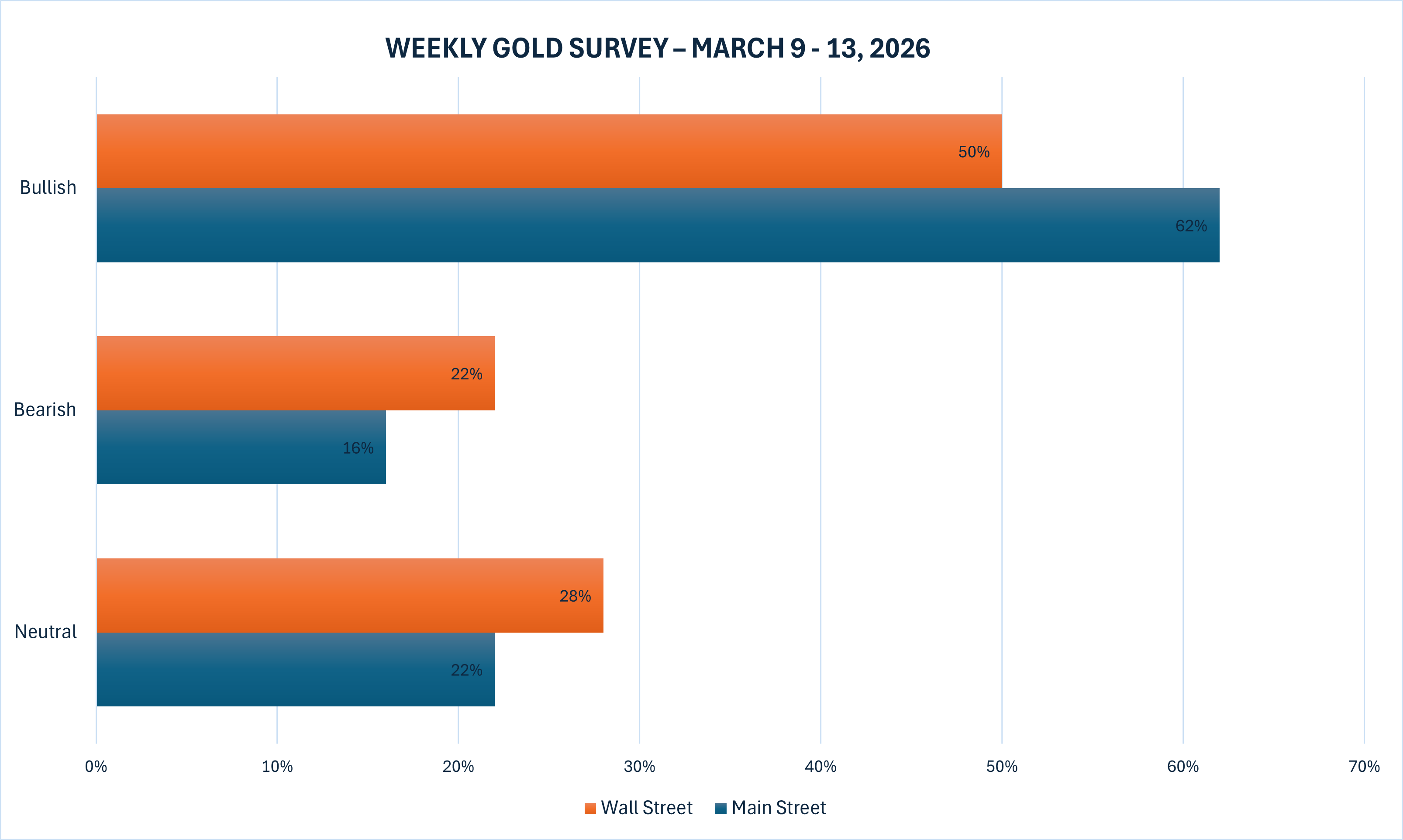
Medium- to Long-Term Logic: The three core pillars supporting gold—a low interest rate environment, inflation hedging, and global uncertainty (intensifying Middle East warfare, Israeli airstrikes on Iran, and Trump demanding an Iranian surrender)—remain rock-solid. Even though central bank gold buying slowed down in January, currency devaluation, debt expansion, and geopolitical risks continue to simmer. For institutional outlooks, a Kitco survey showed that 50% of analysts and 62% of retail investors are bullish, targeting $5,400.
Conclusion
In summary, this unexpectedly weak February NFP report has magnified doubts over the labor market. While it likely keeps the Fed on hold for its March meeting, it has elevated easing expectations for the full year. With stagflation risks running alongside oil-driven inflation, the central bank's decision-making process truly resembles a "deer in the headlights." For gold, short-term volatility is just part of a painful digestion phase; the structural foundation of its bull market remains unchanged. Investors can look to buy the dips while patiently waiting for clarity from upcoming CPI and GDP data.